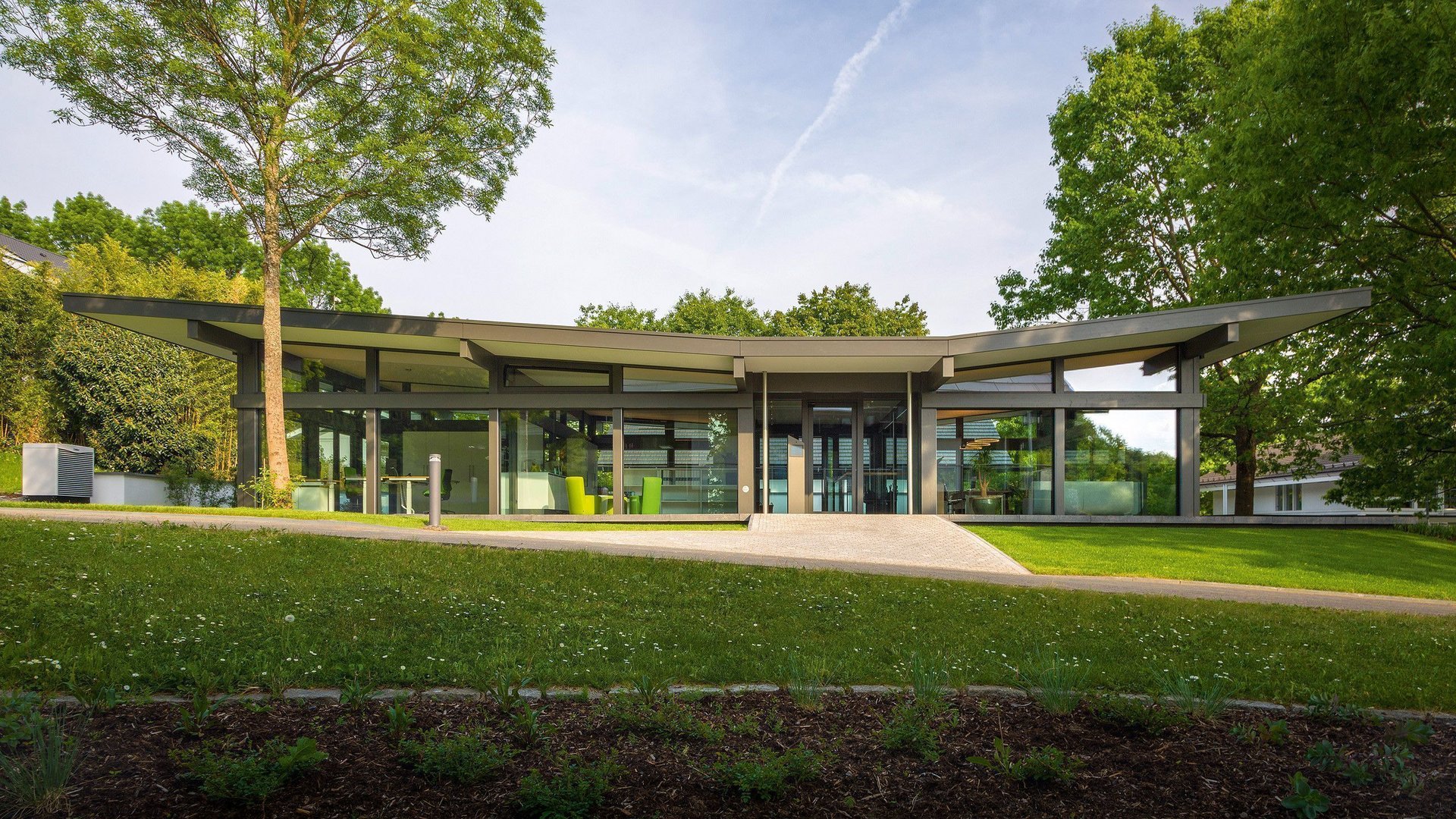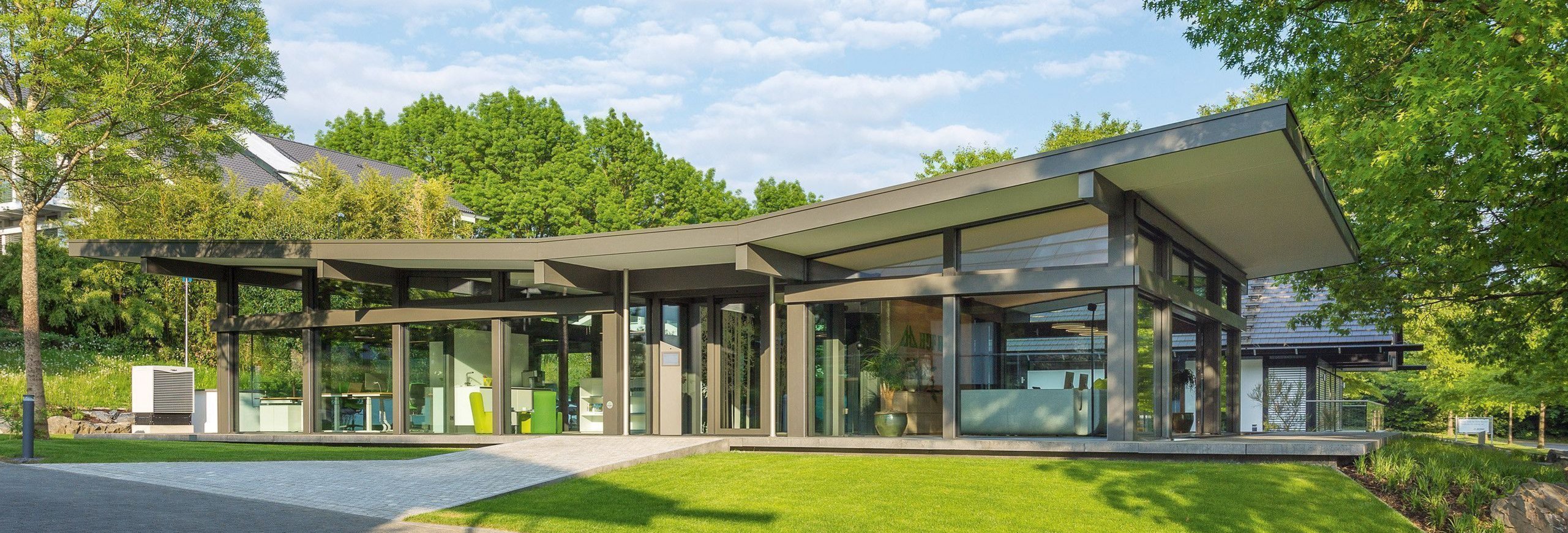
The choice of roof design is one of the most important architectural decisions when building a home. It not only defines the silhouette of a building but also influences daylight, spatial perception, energy efficiency and living comfort. For HUF HAUS, the roof is therefore far more than a structural component – it is an essential part of holistic architecture.
Whether a flat roof, pitched roof, mono-pitch roof or a combination of different roof forms, each solution offers its own distinctive qualities. While flat roofs represent a clear, timeless design language inspired by Bauhaus architecture, pitched roof designs create additional spatial dimensions and open up a wide range of possibilities for natural daylighting. Roof planning therefore determines not only the external appearance of a house, but also how it is used and experienced.

At HUF HAUS, roof design is always regarded as part of an overarching architectural concept. The roof form, building orientation, glazing and floor plan are coordinated to connect light, nature and living space. The result is individual solutions that respond both to the needs of the homeowners and to the specific characteristics of the plot. Every home is unique – from the roofscape and the positioning of the glazed areas through to the energy concept.
“For us, the roof is not only a functional element, but an important part of the architectural concept. It influences how a house appears within its surroundings, how light enters the rooms and how people live within it,” explains Christian Huf, Managing Partner of HUF HAUS. The only limitations are often the local requirements of development plans and building authorities.
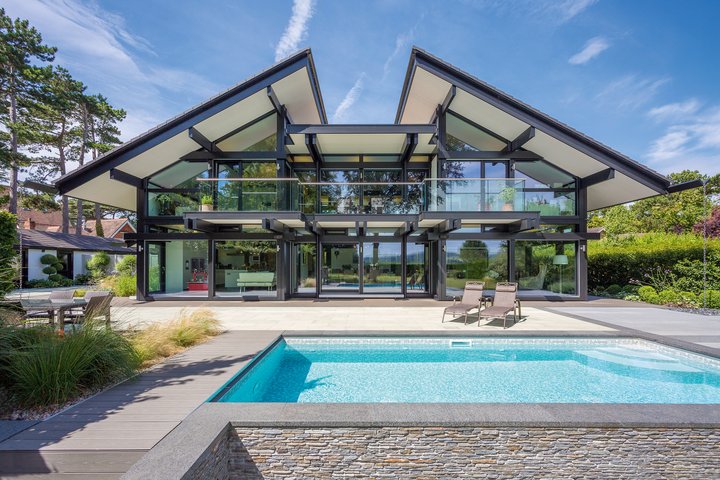
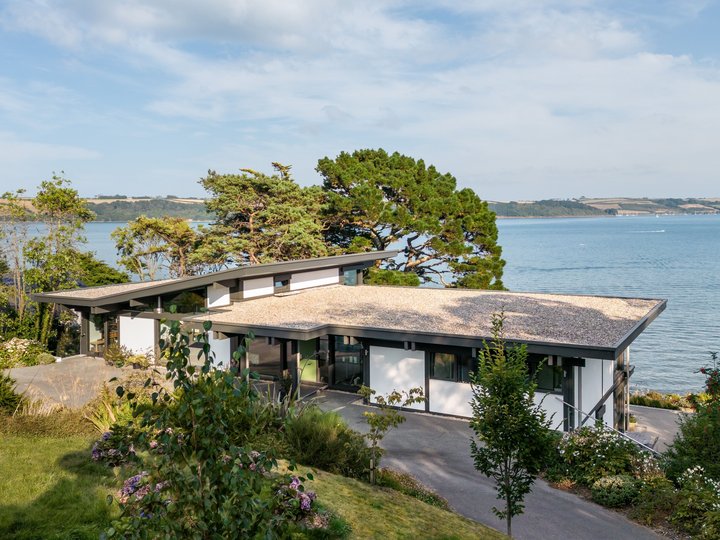
How significantly a roof design can shape architecture is demonstrated by an exceptional customer home on the coast of England. There, the roofscape, consisting of a flat roof and a pitched roof, was deliberately developed as a design feature to strengthen the connection between the building and the landscape.
"The Wave’ roof shape was the first of its kind and an architectural highlight for HUF HAUS. Inspired by, and reflecting the homes surroundings the design peaks on the right to lay flat over the house on the left, like a cresting wave over water.,” describes Peter Huf, Lead Architect at HUF HAUS UK, explaining the concept. The dynamic roofline not only creates a striking silhouette but also directs the view towards the surrounding coastal landscape.
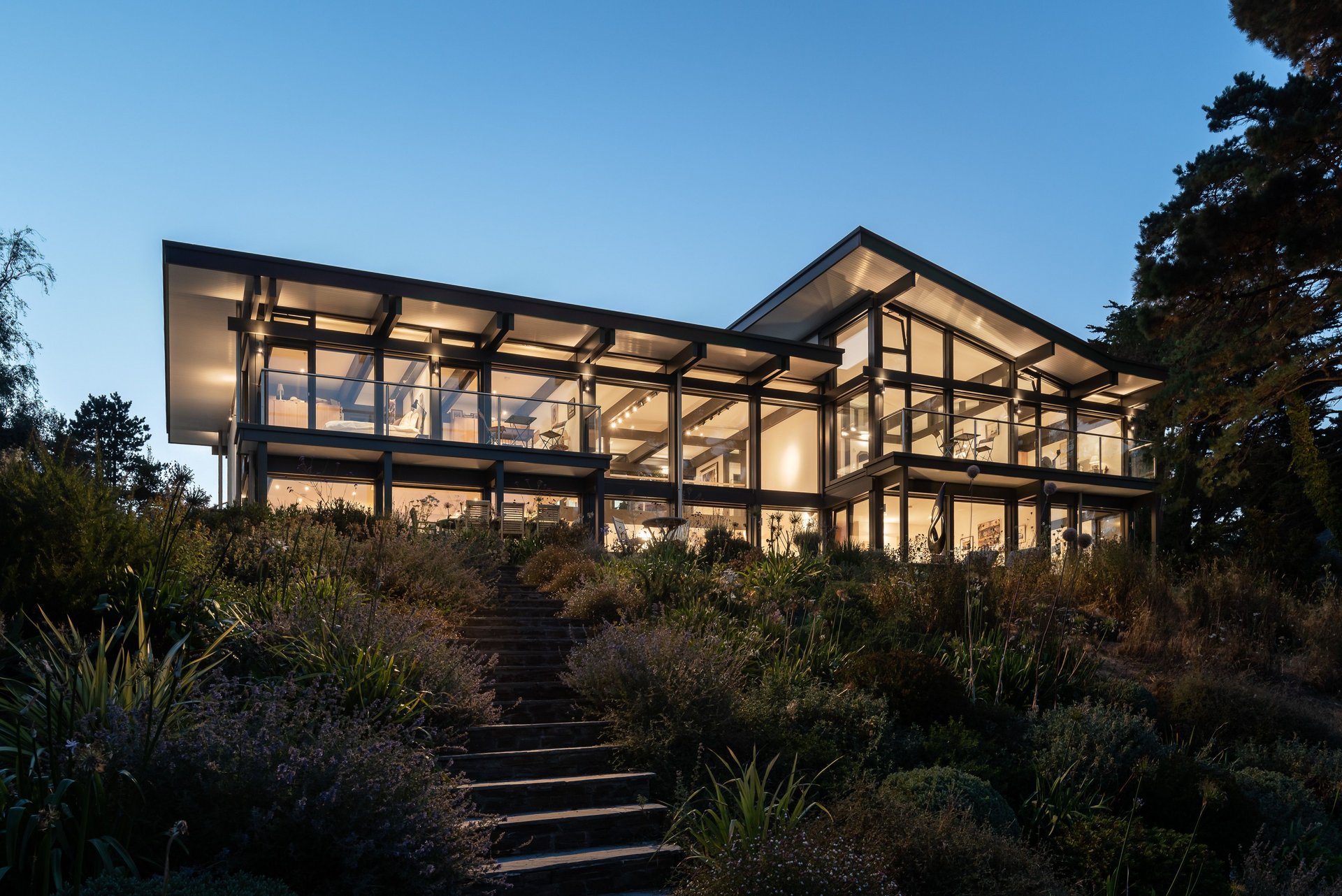
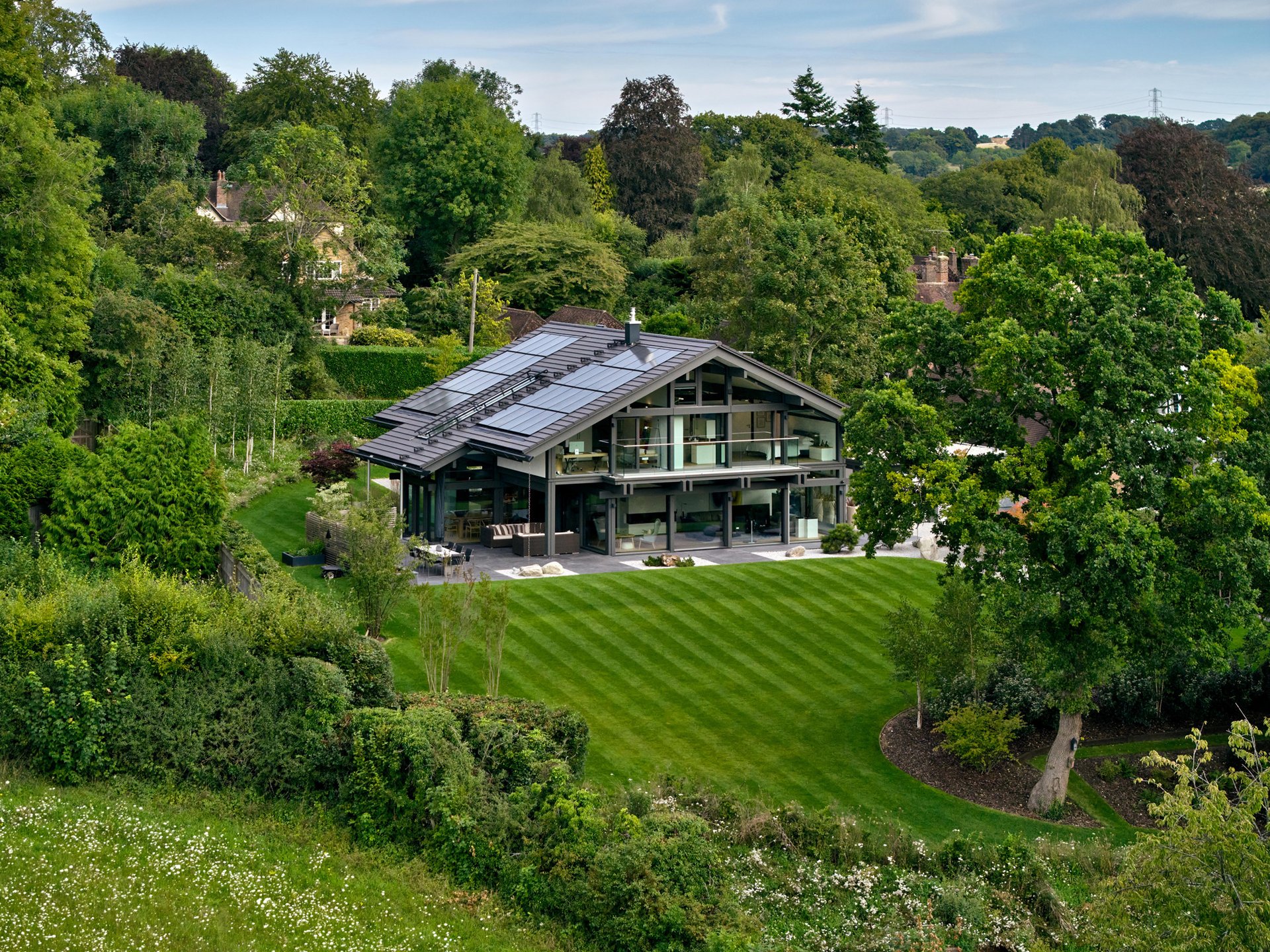
In addition to its aesthetic qualities, the roof design has a direct impact on living quality. It determines ceiling heights, the flow of natural light and the usability of upper-floor spaces. While flat roofs enable consistent ceiling heights and offer additional potential for green roofs, pitched roof designs provide ideal conditions for photovoltaic systems and create generous spatial effects extending right up to the roof ridge.
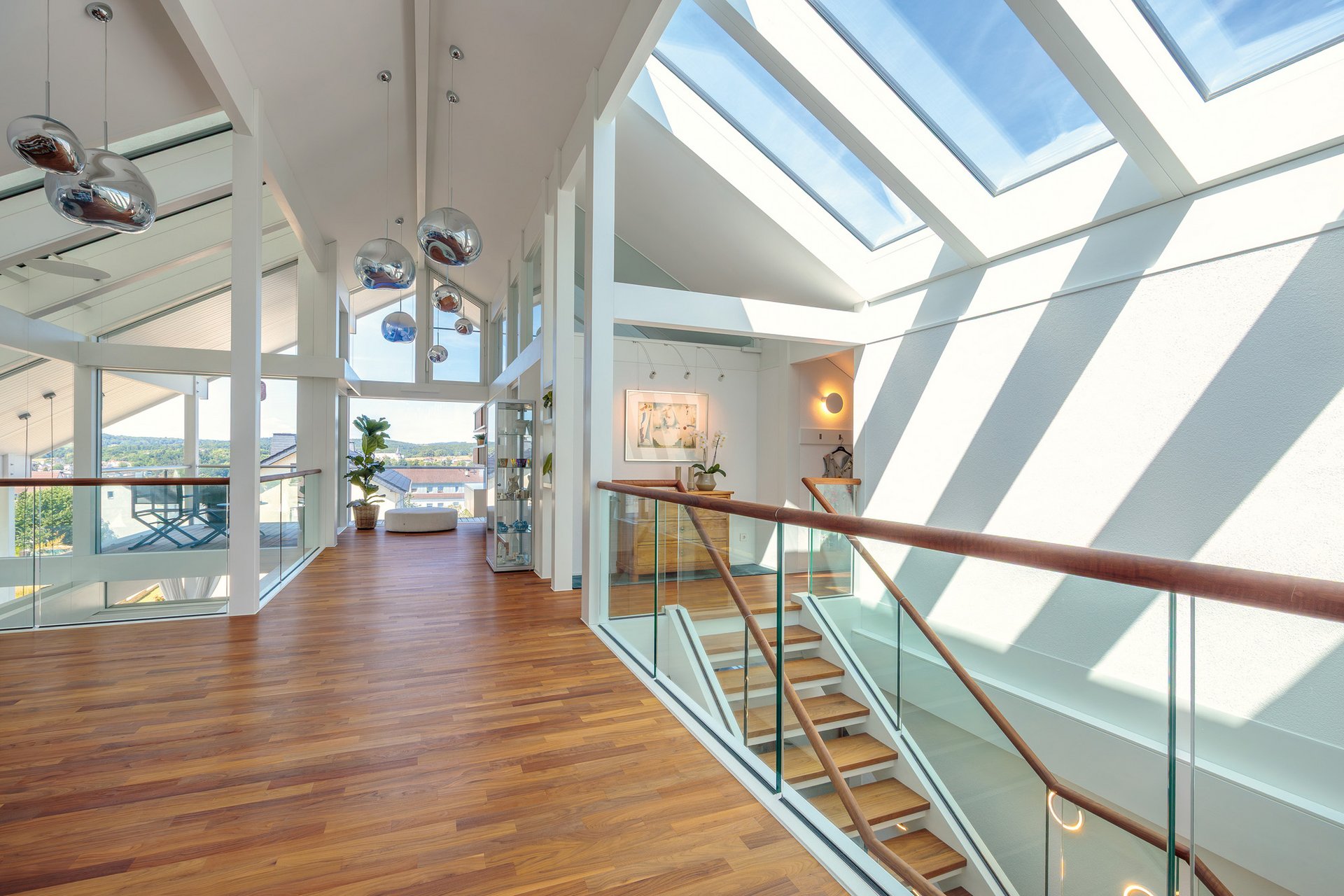
Roof windows and roof glazing can also channel daylight deep into the interior of the building, enhancing the wellbeing of its occupants. Depending on the plot, neighbouring properties and planning regulations, this approach can naturally illuminate areas that would otherwise receive very little daylight.
For HUF HAUS, one principle remains at the heart of every design: good architecture improves quality of life and strengthens the connection between people and nature. The roof fulfils several functions in this respect. It shapes the architectural character of a home, makes a significant contribution to energy efficiency and, through intelligent construction methods, plays an important role in both structural timber protection and summer heat protection.
“A successful roof combines aesthetics and functionality. It not only protects the home but also creates the conditions for healthy, comfortable and sustainable living,” says Christian Huf.